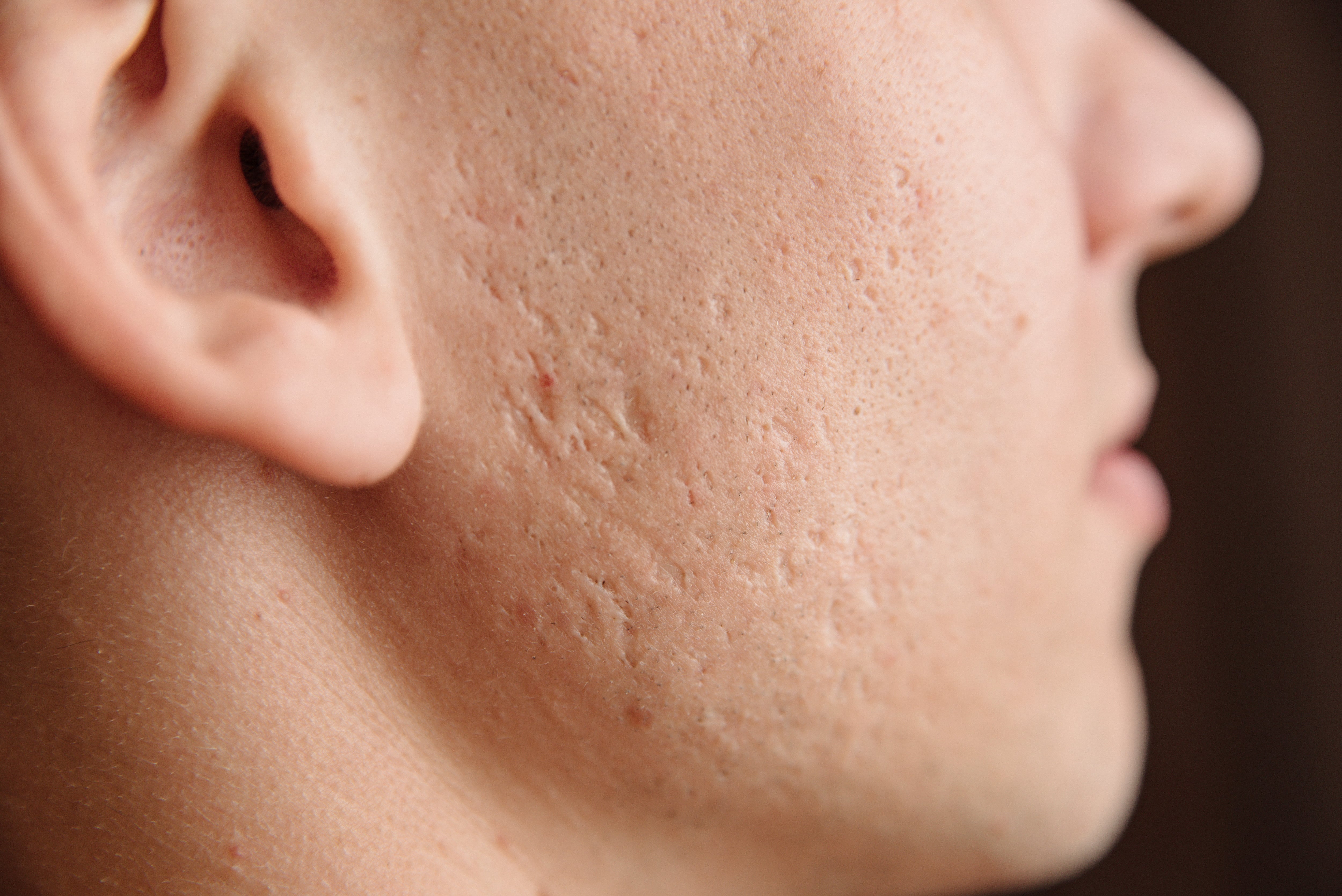

Acne is one of the most common skin conditions, affecting people of all ages. While it is often associated with adolescence, many adults also struggle with persistent breakouts and acne scars. Understanding the different types of acne is essential to finding the right treatment for your skin. Each type has its own characteristics, causes, and severity level, which helps determine the best course of care.
Understanding the Causes of Acne
Acne occurs when hair follicles become clogged with oil, dead skin cells, and bacteria. The overproduction of sebum, hormonal fluctuations, stress, and certain skincare or cosmetic products can all contribute to breakouts. Genetics also play a role, meaning that if your parents struggled with acne, you may be more prone to it as well.
However, not all acne is the same. Identifying the type of acne you have helps in choosing the most effective treatment to prevent further inflammation, scarring, and discomfort.
Common Types of Acne
Acne can range from mild to severe, and recognizing the type of lesions on your skin is the first step toward proper management.
Whiteheads and Blackheads
Whiteheads and blackheads are considered non-inflammatory types of acne. Whiteheads occur when pores become clogged but remain closed at the surface, creating small, white bumps. Blackheads, on the other hand, form when pores are open and the trapped debris oxidizes, turning dark. Though they are less severe, they can still be persistent and may require consistent exfoliation and proper skincare to manage.
Papules
Papules are small, red bumps that develop when hair follicles become inflamed. Unlike whiteheads or blackheads, they do not contain pus. Papules are often sensitive to touch and can cluster together, giving the skin a rough or uneven texture. Treating papules usually involves gentle cleansing, topical anti-inflammatory products, and avoiding harsh scrubs that may worsen irritation.
Pustules
Pustules are similar to papules but contain pus at their tips, giving them a yellow or white center. They are often caused by bacterial infections within clogged pores. Because pustules are inflamed, squeezing or picking them can lead to scarring or spreading bacteria to nearby skin. Treatments typically include topical antibiotics or benzoyl peroxide to reduce bacteria and inflammation.
Nodules
Nodular acne is a more severe form that develops deep beneath the skin’s surface. These hard, painful lumps can take weeks to heal and often leave scars if not treated properly. Nodular acne usually requires medical treatment, including prescription-strength topical or oral medications to control inflammation and reduce bacterial activity.
Cystic Acne
Cystic acne is one of the most severe types and can cause significant discomfort and scarring. It forms deep cysts filled with pus that are often red, swollen, and painful. This type of acne is typically linked to hormonal imbalances and may not respond well to over-the-counter treatments. Dermatologists often recommend hormonal therapy, prescription medications, or specialized treatments to address cystic acne effectively.
Choosing the Right Acne Treatment
The best treatment for acne depends on the type and severity of your breakouts. Mild acne, such as whiteheads or blackheads, can often be managed with topical treatments that contain salicylic acid or retinoids to unclog pores and promote cell turnover. For moderate acne with papules or pustules, antibacterial or anti-inflammatory treatments may be more effective.
Severe acne, including nodular or cystic types, often requires professional care. Dermatologists may prescribe oral antibiotics, isotretinoin, or hormonal therapies to address the root cause. In-office treatments such as chemical peels, laser therapy, or light-based treatments can also help clear acne and reduce the appearance of scars.
Preventing Acne and Supporting Healthy Skin
Preventing acne involves more than just treating breakouts. Establishing a consistent skincare routine that includes gentle cleansing, exfoliation, and moisturizing is key. Avoid picking or squeezing pimples to prevent scarring, and always remove makeup before bed. Choosing non-comedogenic products that do not clog pores can also help maintain clearer skin.
Diet and lifestyle choices also impact acne. Staying hydrated, managing stress, and limiting high-glycemic foods may help reduce flare-ups. Regular checkups with a skincare professional can ensure your treatment plan remains effective as your skin changes over time.
Schedule Your Consultation
If you are struggling with persistent breakouts or scarring, Careplus MD offers personalized solutions for Acne & Acne Scars in Cupertino, CA. Our team provides advanced treatments tailored to your skin type and condition, helping you achieve clearer, healthier skin. Schedule your consultation today to find the right acne treatment for your needs.
